Every angler needs the right gear to make fishing trips enjoyable and successful. Whether you’re a seasoned pro or just starting out, having the basics will set you up for a great day on the water.
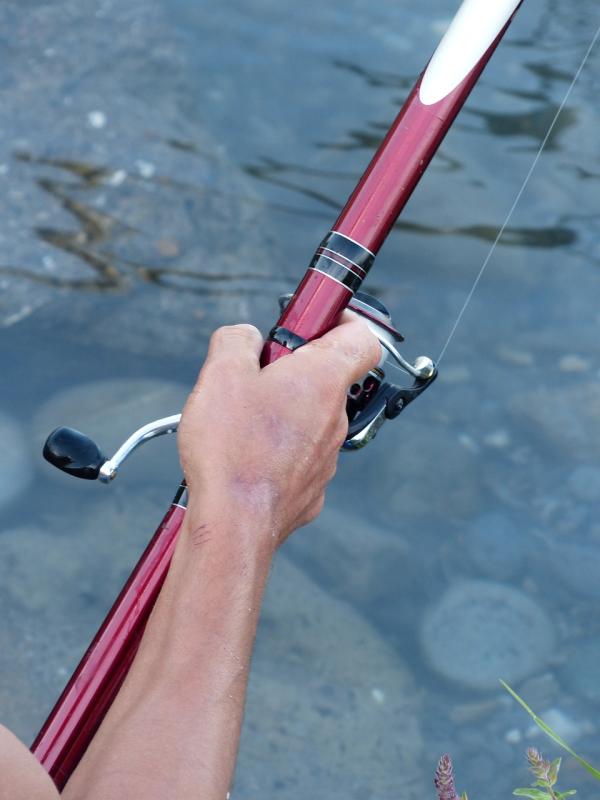
First off, a good rod and reel combo is essential. Look for something that feels comfortable in your hands. Spinning reels are easy to use and great for beginners, while baitcasting reels offer more control for experienced anglers. Pair it with a suitable rod length and action for your specific fishing style.
Next, don’t forget about tackle. A tackle box stocked with various hooks, sinkers, and lures can make all the difference. You'll want to have a mix of baits on hand. Live bait, artificial lures, or even flies will help you adapt to different fish species and conditions. Organize them well so you can grab what you need quickly.
Lastly, a good fishing line is crucial. Braided line is strong and sensitive, while monofilament is easier to manage. Pick one that matches your rod and your target species. And don’t overlook safety gear like a life jacket, especially for boat fishing. Staying safe should always be a top priority!
Top Tips for Catching More Fish
Want to reel in more fish? Check out these top tips that can make your fishing trips a lot more successful!
First off, know your fishing spot. Different locations have various fish species. Spend some time researching the waters you’ll be fishing in. Look up local fishing reports or chat with fellow anglers at a nearby tackle shop. Knowing which fish are biting and their favorite spots can give you the upper hand.
Next, pick the right bait. Live bait often gets better results than lures, but it really depends on what you’re targeting. Nightcrawlers, minnows, and crickets are popular choices. If you’re using lures, opt for something that mimics the fish’s natural prey. Keep an eye on water conditions, too; sometimes, a slight change can affect what fish are biting!
Timing matters. Fish tend to be more active during dawn and dusk, so try to schedule your trips around these times. On warmer days, fish might seek cooler, deeper waters, while on cloudy days, they could be closer to the surface. Pay attention to the weather—overcast days can yield surprising catches!
Lastly, bring the right gear. Make sure your fishing rod and reel are suited for the type of fishing you're doing. Check your line for any frays and replace it if needed. Also, having a tackle box filled with a variety of hooks, weights, and lures will prepare you for whatever comes your way. Happy fishing!
Best Fishing Techniques for Beginners
Getting started with fishing can feel a bit overwhelming, but it's really all about finding what works for you and having fun. Here are some simple techniques that every beginner should know.
Different Types of Fishing
When to Go Fishing
Timing really matters! Early mornings or late afternoons are typically the best times to catch fish. They’re more active when the water is cooler. Check the weather and try for days with overcast skies, too. Fish tend to bite more then!
Choosing the Right Bait
Different fish prefer different types of bait. For beginners, live bait like worms or minnows usually works best. If you're going for lures, start with simple ones like spinners or jigs that mimic small fish. Don't be afraid to experiment!
Practice makes perfect! Take your time, enjoy the process, and don’t be afraid to ask for tips from fellow anglers. Connecting with other fishers can help you learn so much more than just reading about it.
Choosing the Right Spot to Fish
Finding the perfect spot to fish can make or break your trip. You can have all the right gear, but if you’re not in a good location, you might go home empty-handed. So what do you need to look for? Here are some tips to help you out.
First off, think about the types of fish you want to catch. Different species thrive in different environments. For example, if you're after bass, look for shallow waters with plenty of cover like rocks or plants. Trout typically prefer cooler, flowing waters, so rivers and streams are your best bet. Knowing what fish you're targeting will guide you in picking the right spot.
Next, consider the time of day and the season. Fish are usually more active during early morning or late evening. If you can, time your trip to get out during those hours. Seasons also play a big role; for instance, during warmer months, fish often move to deeper waters as the surface heats up. Stay flexible and adapt your location based on the time and weather conditions.
Don’t forget about the water structure! Look for areas with structure like fallen trees, submerged rocks, or weed beds. These spots attract fish because they provide shelter and hunting grounds. Another great option is to check the water temperature—cooler spots can often draw in fish looking to escape the heat.
Last but not least, don’t overlook local knowledge. Talk to fellow anglers or check online forums for recommendations on hot spots. Local bait shops often have the scoop on where the fish are biting. Remember, fishing is also about having fun and enjoying the outdoors, so explore new areas and enjoy the adventure!