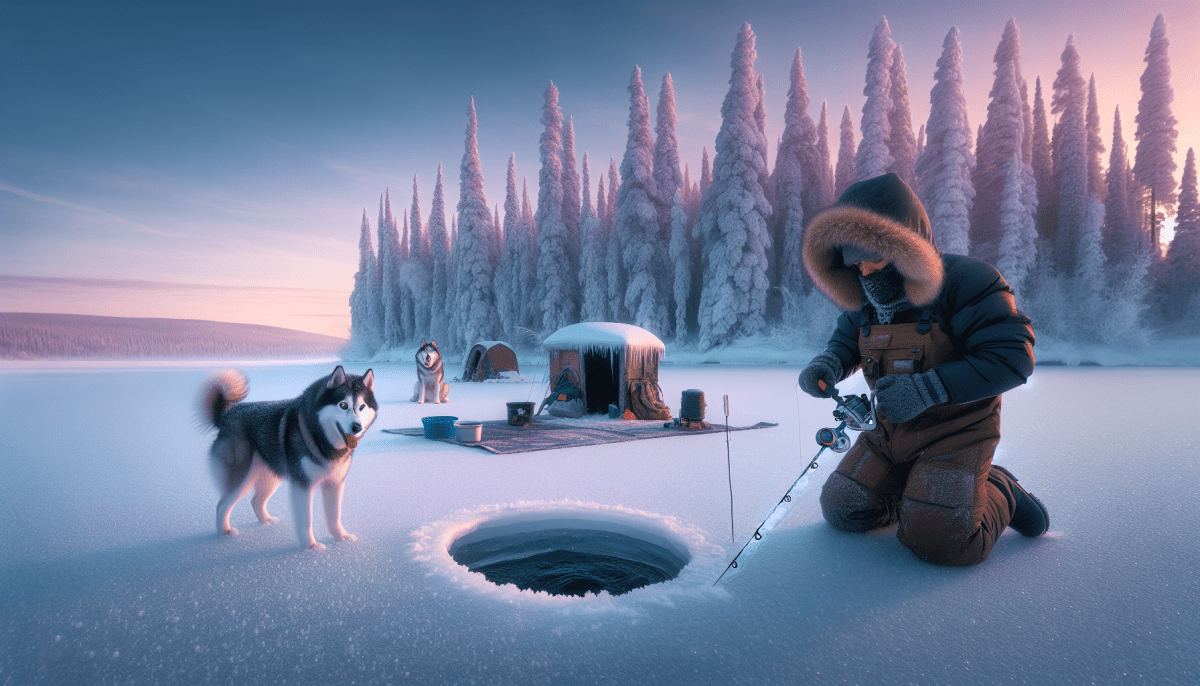
Getting into ice fishing? It’s easier than it sounds! First things first, you’ll need the right gear. A sturdy ice auger is your best friend when it comes to drilling holes, and you’ll want some insulated boots to keep your feet warm and dry. Don’t forget about a cozy chair or a sled to haul your gear. Comfort matters!
Next up, you’ll want to check local ice conditions. Safety should be your top priority. Aim for at least 4 inches of solid ice for walking, but if you’re going with a snowmobile or ATV, look for at least 6-8 inches. If you’re not sure about the ice, ask locals. They know their waters!
Now, let’s talk bait and tackle. A good ice fishing rod is lightweight and can handle the chilly temps. For bait, live bait like minnows and wax worms work wonders. Ice jigs are popular too. Experiment a little to see what the fish are biting on that day.
Once you're set up, drill your hole, drop your line, and enjoy the experience! Ice fishing is not just about catching fish; it's about winding down and having fun with friends or family. Bring along some snacks and enjoy the winter scenery!
Essential Gear You Need
When you're heading out for a day of ice fishing, having the right gear makes all the difference. You want stuff that's reliable and easy to use. Here’s a list of essential items to pack for your next ice fishing trip.
1. Ice Auger - A good ice auger is key to getting down to those fish. Whether you go for a manual or a power auger, make sure it’s sharp and easy to handle. You want to drill those holes quickly and efficiently, so you can get to fishing!
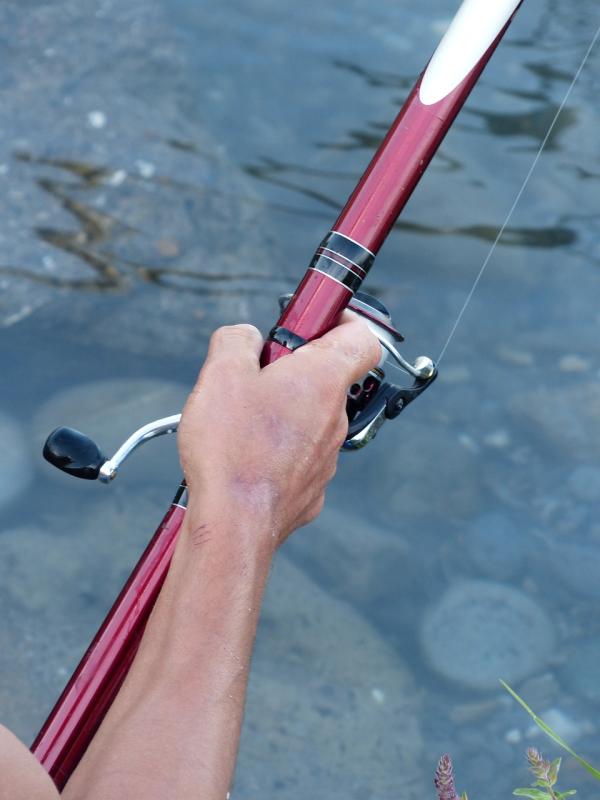
2. Fishing Rod and Reel - Pick a lightweight and sensitive rod designed for ice fishing. Pair it with a smooth reel that can handle the cold. Many anglers prefer shorter rods for better control in tight spaces. Don’t forget to spool up with the right line!
3. Bait and Lures - Live bait often works wonders, but don’t underestimate the power of a good lure. Bright colors and unique shapes can attract fish in cold waters. Bring a mix of both to see what the fish are biting on that day.
4. Shelter and Warm Gear - To stay comfortable, a portable ice shelter is a great investment. It protects you from the wind and keeps you warm. Layer up with thermal clothing, hats, and gloves. The last thing you want is to cut your trip short because you’re freezing!
Top Tips for a Successful Trip
Planning your ice fishing trip can make all the difference between a fun day on the ice and a frustrating one. Here are some top tips to make sure you catch more fish and enjoy every minute!
First up, check the ice conditions before you head out. Make sure the ice is thick enough—at least four inches is a good rule. It’s always better to be safe than sorry! Look for a local report or ask around to get the current scoop on the conditions.
Next, gear up with the right equipment. A sturdy ice auger will save you a lot of elbow grease when making holes. Don’t forget your ice fishing rod and reel combo—it’s lighter and easier to handle than standard gear. And pack a good tackle box with jigs, minnows, or whatever bait works best for your area.
Location, location, location! Don’t just fish anywhere. Scout out spots with structure or drop-offs where fish like to hang out. If you see other anglers, don’t be shy to ask them how they’re doing; fishermen love to share tips!
Last but not least, dress in layers! You might feel chilly when you start out, but once you’re sitting on the ice, you’ll want to stay comfortable. Don’t skimp on warm socks, and wear waterproof boots to keep your feet nice and dry.
Staying Safe on the Ice
Ice fishing can be a blast, but safety should always come first. Before heading out, check ice thickness. A minimum of four inches is usually safe for walking, but 5-7 inches is better for a group. If the ice looks sketchy or uneven, don’t take the risk.
Dress in layers! You want to stay warm, but you also don’t want to overheat. A good base layer and waterproof outer layer are key. Don’t forget insulated gloves or mittens and a warm hat. The last thing you want is to spend a freezing day with cold hands and ears.
Bring a buddy along! Fishing is more fun with friends, and if something goes wrong, it’s always safer to have someone with you. Make sure someone knows your plans and when to expect you back. It’s just good practice!
Keep safety gear handy. A spud bar is a handy tool to test ice thickness as you go. Ice picks can help you get out if you fall through, and a float suit can keep you warm and buoyant. Always plan for the unexpected.
Lastly, be mindful of weather conditions. Check the forecast before you leave and plan your trip around it. Wind can make it feel much colder and can even create thin spots on the ice. Stay aware and trust your instincts out there! Your safety is worth it.